MadBirders

Blue-Capped Mad Birders find blue birds on Center Fayston Road Walk


Posted on Sunday 22 May 2011

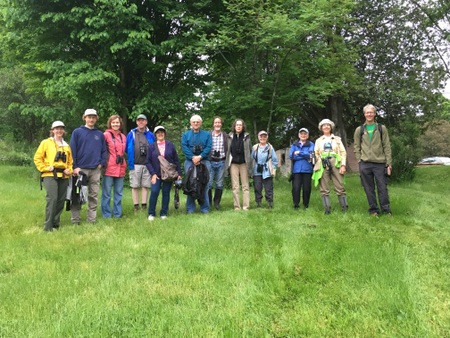
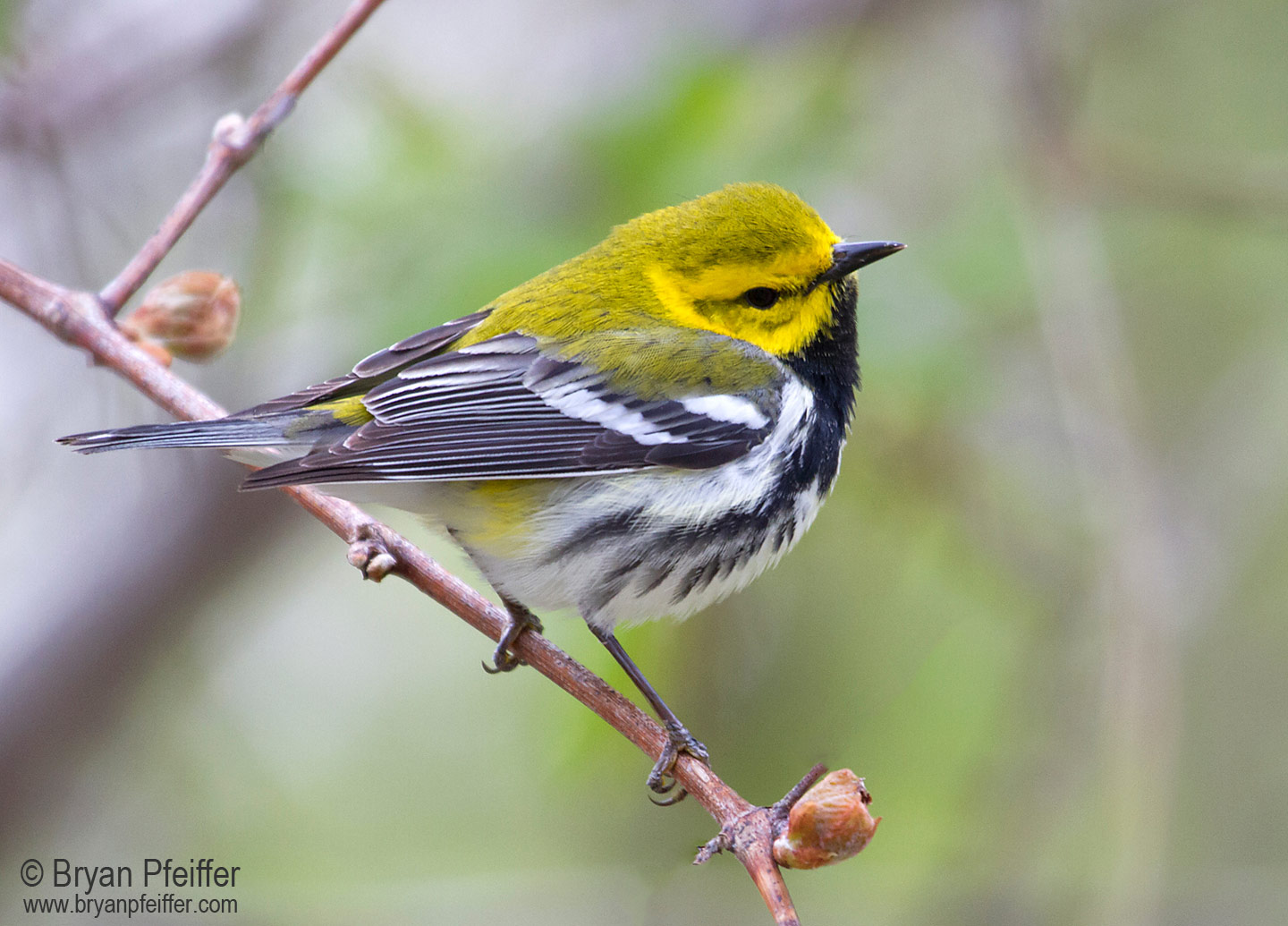
Seven Mad Birders, all women, five of whom sported Periwinkle colored Mad Birder caps had a great walk on Center Fayston Road in Fayston this morning.  Among the highlights were Eastern Bluebirds, Indigo Buntings and Black-Throated Blue Warblers, of course.  (Pictured above from left to right are Alex Maclay, Sandra Bruggerman, Barbara Ellis, Pat Folsom and Ave Haviland.)

Jeannie Elias @ 4:43 pm
Filed under: Events

GULF CROSSING – A film about the mystery and marvels of songbird migration


Posted on Saturday 7 May 2011

Scarlet Tanagers are among the species that annually make a ‘gulf crossing’ on their way to Vermont.

Indigo Buntings are a perennial favorite among birders.

The Mad Birders and The Big Picture Theater  are pleased to present Gulf Crossing, a gorgeous new film about the annual avian pilgrimage across the Gulf of Mexico at 1PM on Sunday May 15th at the Big Picture Theater & Cafe 48 Carroll Road in Waitsfield, Vermont.  Admission is free and all are welcome.

In the spring hundreds of bird species migrate from the tropics of Southern and Central America into the United States and Canada. As they make their way north they eventually face the great barrier of the Gulf of Mexico. This arm of the Atlantic Ocean is more than 900 miles wide, and more than 600 miles across from north to south. While some birds skirt the edge of the water, the overwhelming majority-more than 200 species, and hundreds of millions of individuals-cross the unbroken plain of the gulf in a single non-stop flight of 20 or more hours.

Gulf Crossing by Tallahassee born filmmaker Jackson Childs is a cinematographic record of trans-gulf migration on America’s southern coast.  Over three years and thousands of hours in the making, Gulf Crossing is an attempt to document this remarkable and moving natural phenomenon. Childs captures the expectation of arrival, the daily surprise of which species will appear, and the sublime experience of seeing these magnificent birds for the first time each year.


Jeannie Elias @ 10:45 am
Filed under: Events

Cooper’s Hawk in Moretown


Posted on Wednesday 20 April 2011

Mad Birder Scott Sainsbury got this great shot of a Cooper’s Hawk on his birdfeeder yesterday in Moretown.  On June 11th Scott will lead a Spring bird walk on his property, Cross Haven Farm.  Keep a look out for great birds…you never know where they will turn up!

Jeannie Elias @ 5:56 am
Filed under: Bird Sightings andUncategorized

Barred Owl on the wing.


Posted on Sunday 10 April 2011

Barred Owl in Flight - Version 3

John Reilly of Waitsfield got this marvelous shot of a Barred Owl in his yard last month.  We rarely get to see that wonderful long wing span.  Good shot John!

Jeannie Elias @ 8:40 pm
Filed under: Bird Sightings

Vermont Spring Bird Arrival Schedule


Posted on Wednesday 30 March 2011

Bird migration is not an exact science of course, but years of observation have given birders the ability to get pretty close to assigning a precise ETA for each bird’s Spring arrival date in Vermont. For a week by week ‘schedule’ of what birds you can expect to see download a pdf of the Vermont Bird Arrival Schedule. Know what to look for when, and maybe you’ll be the lucky one to see the first Blackburnian Warbler.

Jeannie Elias @ 9:45 am
Filed under: Administrative andSpring Arrival Schedule

The Eagle has landed in the Mad River Valley


Posted on Sunday 16 January 2011

The Eagle Has Landed

DSC_0208_crop

Eagle in Waitsfield, Sugarbush in Background

Bald Eagle 2

Mad Birders have been thrilled with the sight of an immature (First Year) Bald Eagle.  “Great Eddy’  was initially spotted by Katie Woodruff near the Covered Bridge over the Mad River on January 12th.  The bird has been seen every day since including on the 16th, when it traveled a few miles north to Moretown.  These photos by Rick Haynes, Craig Goss and Scott Sainsbury capture the bird roosting and in flight.

Jeannie Elias @ 4:54 pm
Filed under: Bird Sightings andUncategorized

Common Redpolls Everywhere!


Posted on Thursday 13 January 2011

redpolls_goss_20110112

Common Redpools are being seen in large number by birders throughout the Mad River Valley.  Craig Goss had this flock in the snowstorm yesterday up in Fayston.

Jeannie Elias @ 5:58 am
Filed under: Uncategorized

Barred Owl in Fayston


Posted on Sunday 9 January 2011

 barred owl

 Mad Birder Ave Haviland has had regular visits from this Barred Owl this week at her feeder in Fayston.

Jeannie Elias @ 4:43 pm
Filed under: Bird Sightings

Mad Birders get ready for 5th year of participation in the Audubon Christmas Bird Count


Posted on Tuesday 4 January 2011

Bohemian Waxwings in Waitsfield last week.

Bohemian Waxwings in Waitsfield last week.

Bohemian Group

Bohemian Waxwings thrilled Mad Birders and Waitsfield Elementary School students last week.

The Mourning Dove is a common year round resident in the Valley.

The Mourning Dove is a common year round resident in the Valley.

See you on the Christmas Birding Day!

Waitsfield Elementary Students to participate in Audubon Christmas Bird Count

Children do it almost by instinct.  They count.  Usually the things they count are objects they love: toys, candy, gifts, friends, and even family members.  If they are outdoors they will count anything they see… ants, leaves, stones… or even birds.  So it should come as no surprise that kids at the Waitsfield Elementary School will be counting birds as part of the annual Audubon Christmas Bird Count happening in the Mad River Valley on Friday December 17th.   Many of the kids at Waitsfield Elementary trace their knowledge and enthusiasm about birds to Mrs. Patti Haynes, who has been a Para educator at the school for the past 16 years.  Patti, in turn, expresses gratitude to her childhood babysitter in New Jersey, Mrs. Chewning, the local librarian and an Audubon Society member, who provided the spark for Patti’s lifelong interest in bird watching.

Getting school children interested in birds is pretty easy to do if you are as enthusiastic as Patti, and she had help from other Waitsfield Elementary School teachers and some parents as well.   In 2009, when Patti decided to improve her electronic reporting of daily bird counts (eBird is an online citizen science tool to record and share bird sightings around the globe), it was natural to figure out a way to include the school as a reporting location.  A bird feeder was constructed outside one of the classrooms.  Each week a student in that classroom was given the title of ‘Birdwatcher’ and had to report to Patti (Mrs. Haynes) the number and species of birds seen.

Since 2006, the local birding club, the Mad Birders, has been participating in the Audubon Christmas Bird Count (CBC) which involves counting birds within a 15-mile diameter circle.  That Waitsfield Elementary School is located within this circle, had a birdfeeder, and had Patti, along with loads of enthusiastic kids; this set the stage for the school’s participation last year in the local effort. This year the students will be counting birds again.

There are two ways to participate in the CBC, field counting and feederwatch counting.   Field counting involves teams of two or more bird watchers going out into the territory on foot or by car and counting the birds they see or hear.  Feederwatch counting is done from a fixed location and involves counting the birds that come to the feeder.

This past week Mother Nature helped generate some advance publicity for this year’s Mad River Valley Christmas Bird Count by sending in a flock of very pretty and exotic winter birds called Bohemian Waxwings.   During the four previous years that the Mad Birders counted birds for the CBC, only one Bohemian Waxwing had ever been spotted.  Emails flew back and forth among Valley birders about this unusual sighting and when the birds were spotted at the General Wait House in Waitsfield on the morning of Friday December 10th, Patti took some students from Mrs. Georgeanne Baker’s class to see them.  Mrs. Baker is one of many teachers inspired by Patti to become a bird watcher.  Afterwards, Mrs. Baker posted this note from the class on the Mad Birders’ electronic mailing list:

“Dear Birders,

Some of us saw the Bohemian Waxwings behind the Wait House with Mrs. Haynes during recess around 11:35 a.m.  We saw about 10 of them.  They were feeding on berries and a couple of them were dive bombing for a berry and then flew up to the top of a tree, and again and again.  They swallowed the berries whole!  They let us get very close to them.  Mrs. Haynes told us to look for their cinnamon under-tail and on the tip of the tail, yellow dots.  We saw this clearly from where we were standing.  Mrs. Haynes had binoculars with her.  When we looked through them, the birds looked gigantic.

See you on the Christmas Birding Day.

Mrs. Baker’s Class”

Dozens of Mad River Valley Birders along with the students of Waitsfield Elementary School (and their teachers) will be counting birds all day on Friday December 17th.  If you see folks with binoculars or kids in the school yard at recess that day that seem to be looking for birds, don’t forget to wish them a Happy Christmas Birding Day!

Jeannie Elias @ 4:50 pm
Filed under: Events

Monthly bird activities, movement in the Valley and VT


Posted on Tuesday 4 January 2011

 The Mad River Valley is blessed with a variety of habitats, each attracting various species of birds.  Habitats include:  Deciduous Woods (hardwoods), Coniferous Woods (softwoods), Mixed Woods, Wetlands, Grasslands and Agricultural Lands, Residential, Alpine (mountaintops).  Learning which species prefer which habitats is part of the fun of birding the Valley.

 Time of day – Most birds are active early in the morning and late afternoon.  Often there is a burst of activity as the sun hits treetops.  Get out there and see what’s feeding and flying.  Sometimes rarities show up – Either birds that are supposed to live somewhere else, are here in larger numbers than expected, or are here in the wrong season.  Keep your eyes open for these and report any to the website.

 January

Check out year round residents at your feeders or on walks.  It’s a good idea to have binoculars with you wherever you go!  Year round residents include:  Sharp-shinned Hawk, Cooper’s Hawk, Red-tailed Hawk, Ruffed Grouse, Wild Turkey, Rock Dove, Mourning Dove, Barred Owl, Northern Saw-whet Owl, Downy Woodpecker, Hairy Woodpecker, Pileated Woodpecker, Blue Jay, American Crow, Common Raven, Black-capped Chickadee, Tufted Titmouse, Red-breasted Nuthatch, White-breasted Nuthatch, Brown Creeper, Golden-crowned Kinglet, European Starling, Cedar Waxwing, Dark-eyed Junco, Northern Cardinal, Purple Finch, House Finch, American Goldfinch, Evening Grosbeak.

 February

Week 1 -  Owls start nesting.  Listen for Barred Owl calls, usually at dusk, evening.

Week 2 – Great Backyard Bird Count  (Check out http://www.birdsource.org/gbbc/ for complete information.

Week 3 – Listen for Woodpeckers drumming, Chickadees and Nuthatches singing spring songs.

 Week 4Spring migration begins –  (m) – bird species seen in migration only.    Arrival schedule follows:

Red-winged Blackbird, Brown-headed Cowbird

 March

Week 1- American Kestrel, Killdeer, American Robin, Common Grackle

Week 2 – Turkey Vulture, Northern Harrier, Northern Flicker, Eastern Bluebird, Song Sparrow

Week 3 – Pied-billed Grebe (m), Great Blue Heron, Mallard, Black Duck, Wood Duck, Common Merganser, Hooded Merganser, Bufflehead, Belted Kingfisher, Tree Swallow

Week 4 –Canada Goose, Snow Goose (m), Broad-winged Hawk, American Woodcock, Common Snipe, Eastern Phoebe, Fox Sparrow (m)

 April

Week 1- Osprey, Yellow-bellied Sapsucker, Winter Wren, Savannah Sparrow

Week 2 – American Bittern, Ruby-crowned Kinglet (m), Hermit Thrush, Yellow-rumped Warbler, Pine Warbler, Palm Warbler, Swamp Sparrow, White-throated Sparrow                        

Week 3 – Barn Swallow, Blue-headed Vireo, Louisiana Waterthrush

Week 4 – Long-tailed Duck (m), Solitary Sandpiper (m), Spotted Sandpiper, Chimney Swift, Eastern Kingbird, Cliff Swallow, House Wren, Marsh Wren, Brown Thrasher, Black-throated Green Warbler, Black-and-white Warbler, Common Yellowthroat, Chipping Sparrow.

 May- Mad Birder walks and bird migration kick into high gear.

Week 1- Ruby-throated Hummingbird, Least Flycatcher, Great-crested Flycatcher, Veery, Wood Thrush, Gray Catbird, Warbling Vireo, Nashville Warbler, Northern Parula, Yellow Warbler, Chestnut-sided Warbler, Magnolia Warbler, Black-throated Blue Warbler, Blackburnian Warbler, American Redstart, Ovenbird, Northern Waterthrush, Scarlet Tanager, Rose-breasted Grosbeak, White-crowned Sparrow (m), Bobolink, Baltimore Oriole

Week 2 – Swainson’s Thrush, Red-eyed Vireo, Tennessee Warbler (m), Philadelphia Vireo (m), Cape May Warbler (m), Bay-breasted Warbler (m), Mourning Warbler, Wilson’s Warbler (m), Canada Warbler, Indigo Bunting, Lincoln’s Sparrow (m)

Week 3 – Black-billed Cuckoo, Common Nighthawk, Eastern Wood-Peewee, Yellow-bellied Flycatcher, Alder Flycatcher, Willow Flycatcher, Bicknell’s Thrush, Cedar Waxwing, Blackpoll Warbler

June

Spring migration ends.  Most birds are nesting in appropriate habitats.  Many birds do not sing as much, being very quiet around the nest.  Using good observation skills is key to see birds being stealthy.

 July

Baby birds are fledging – Look/listen for begging babies being fed by parents.  Some post-breeding birds start to wander, shorebird migration begins.

 August

Shorebird migration increases, warbler and hawk migration begins.  Team Pipit begins monitoring Ward Hill daily.  Watch for mixed flocks of songbirds feeding and moving quickly.  Chickadees are often present in these flocks.

 September

Biggest fall migration month, led by waves of warblers and hawks.  Shorebird migration slows.  Team Pipit continues monitoring Ward Hill.  Keep your binos handy, especially when north winds blow and birds ride the winds south.

 October

Waterfowl migration shifts into high gear, also geese, sparrows, and kinglet movement.

- White-winged Scoter, Black Scoter, Bufflehead –  Sometimes seen at Blueberry Lake.  Snow Goose show at Dead  Creek in Addison.

 November

Woods may be quiet, check for winter irruptives (occasional wandering visitors) to start arriving – Snowy Owl, Pine Siskin, Snow Bunting, Northern Shrike, Pine Grosbeak, Common and Hoary Redpoll, Bohemian Waxwing, Horned Lark, White-winged Crossbill.  Red-bellied Woodpecker, Carolina Wren

 December

Fall migration ends.  Check for those winter irruptives listed in November. They have all been seen in the Valley in recent years.  Other possibilities include Red-bellied Woodpecker, Carolina Wren, Northern Hawk Owl, Great Gray Owl, Lapland Longspur, Red Crossbill.

 Valley/Northfield Christmas Bird Count – First Friday between December 14 and January 4. 

Pat Folsom @ 4:33 pm
Filed under: Monthly Bird Activities in the Valley and VT